Marine Conservation Courses
You can study marine conservation with Conservation Diver, which offers 24 marine conservation courses for students, interns, and reef managers. Our certified instructors teach at a global network of training centers, where you can build practical skills in marine ecology, reef monitoring, and coral restoration.
You can study course theory online through the Conservation Diver Online Campus. Marine conservation internships are also available through our training centers, giving you more time in the field to apply what you learn.
Data collected by Conservation Diver students contributes to published marine research. Explore our research publications to see how student fieldwork supports studies of coral reefs and other marine ecosystems.
How to take a course with us
The graphic below details our typical course progression for students conducting courses at our training centers, with most students starting off with the Ecological Monitoring Program Course that covers many of the basics of marine ecology, species ID, and data collection techniques.
However, the theory section of many of our courses can be taken online by anyone, through our online learning platform, the Conservation Diver Campus.

Research and Monitoring
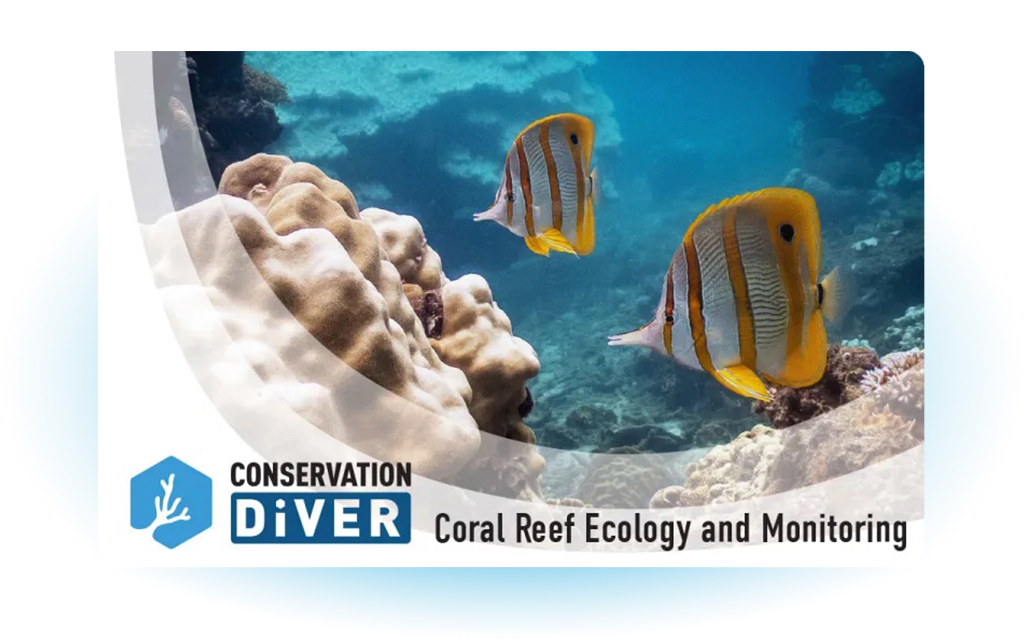
Marine Ecology & Monitoring
An introduction to coral reefs, marine organisms, and monitoring techniques
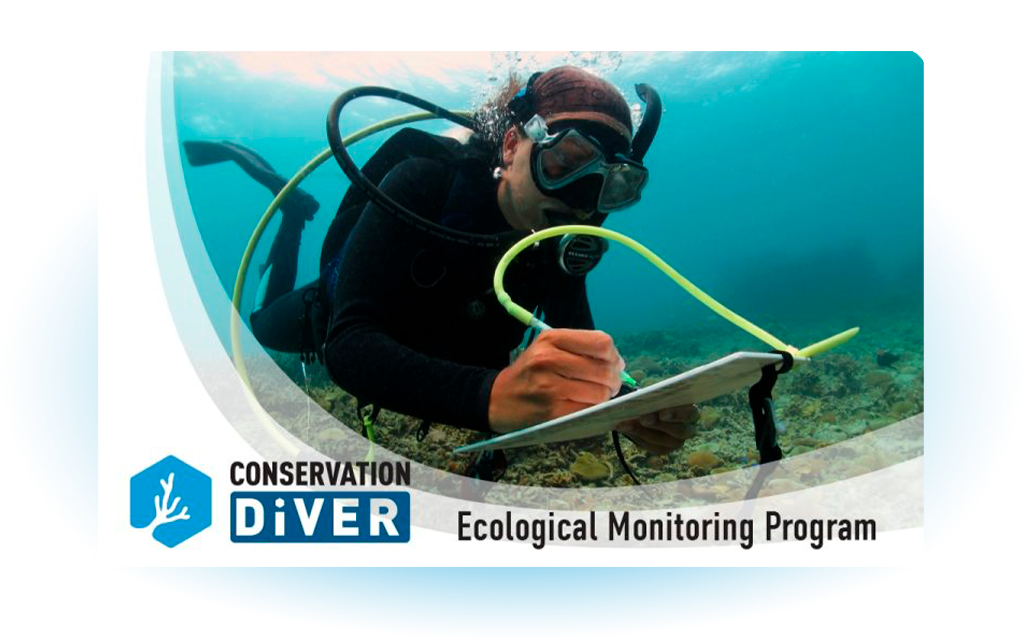
The Ecological Monitoring Program
Our comprehensive coral reef monitoring course for fish, invertebrates, corals, and more.
*our most popular course*
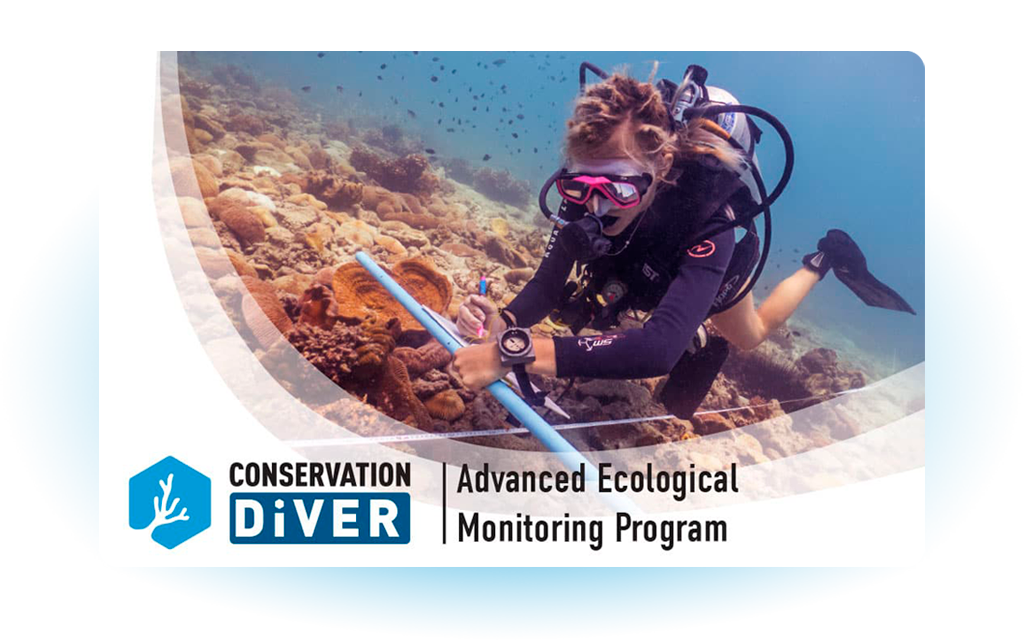
Advanced Ecological Monitoring Program
A prestigious certification for those with advanced knowledge and skills in marine research and monitoring.
Coral Restoration Theory and Techniques
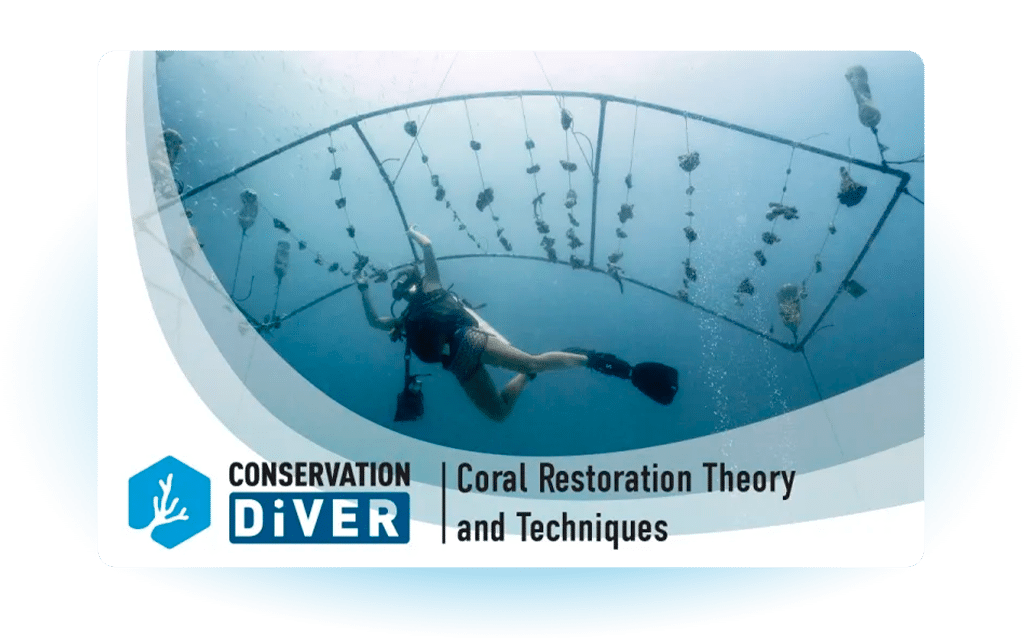
Coral Restoration Theory & Techniques
Introduction to the theories and techniques of coral reef restoration
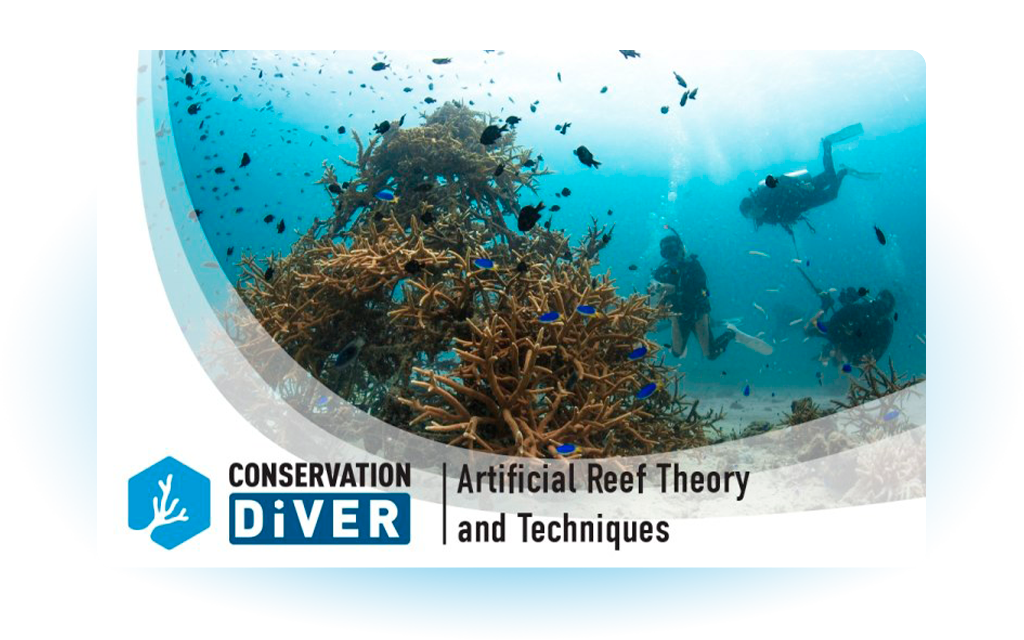
Artificial Reef Theory & Techniques
Building and maintaining artificial reefs as part of a restoration program

Mineral Accretion Technology Basics & Techniques
How to build and maintain mineral accretion devices (electrified artificial reefs)
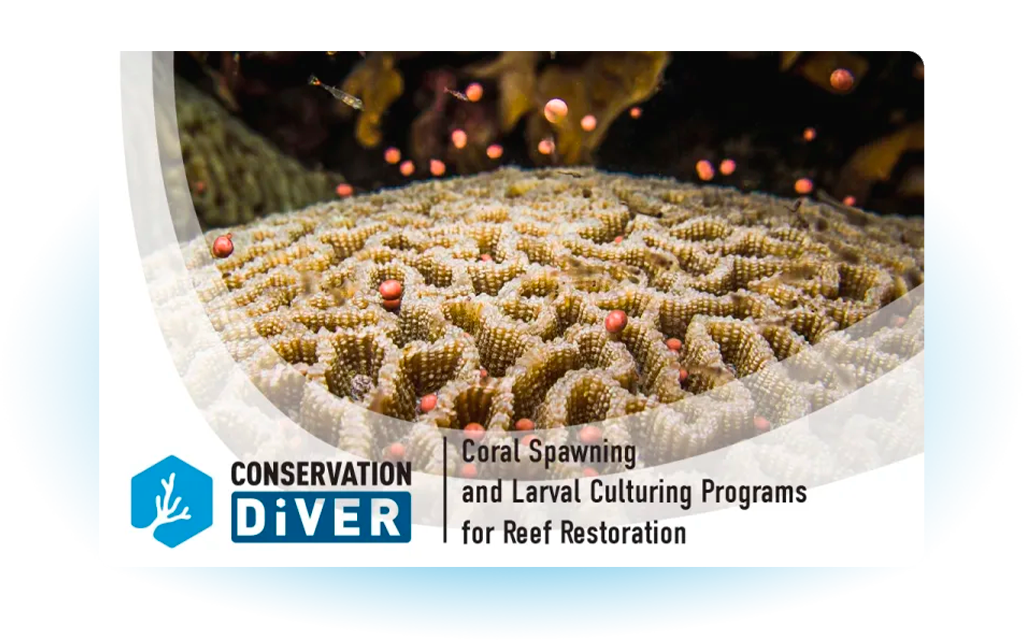
Coral Spawning & Larval Culturing Program
Using coral larvae to produce restoration feedstocks with greater resilience and genetic diversity
Hard Corals
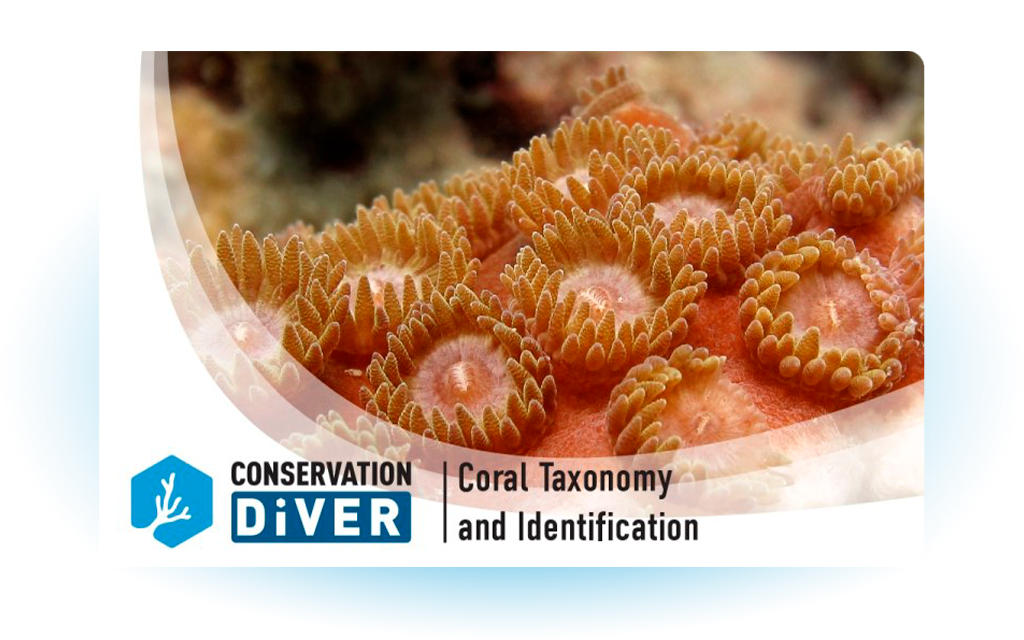
Coral Taxonomy & Identification
Learn about coral anatomy, taxonomy, and identification
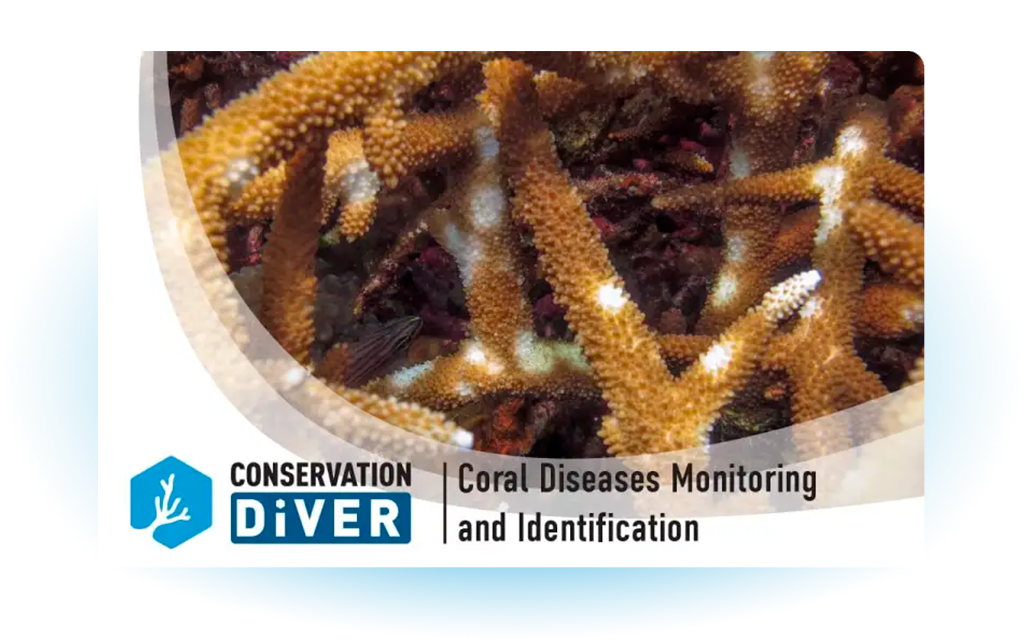
Coral Disease Monitoring & Identification
How to identify, assess, and monitor coral diseases and compromised health states
Reef Protection
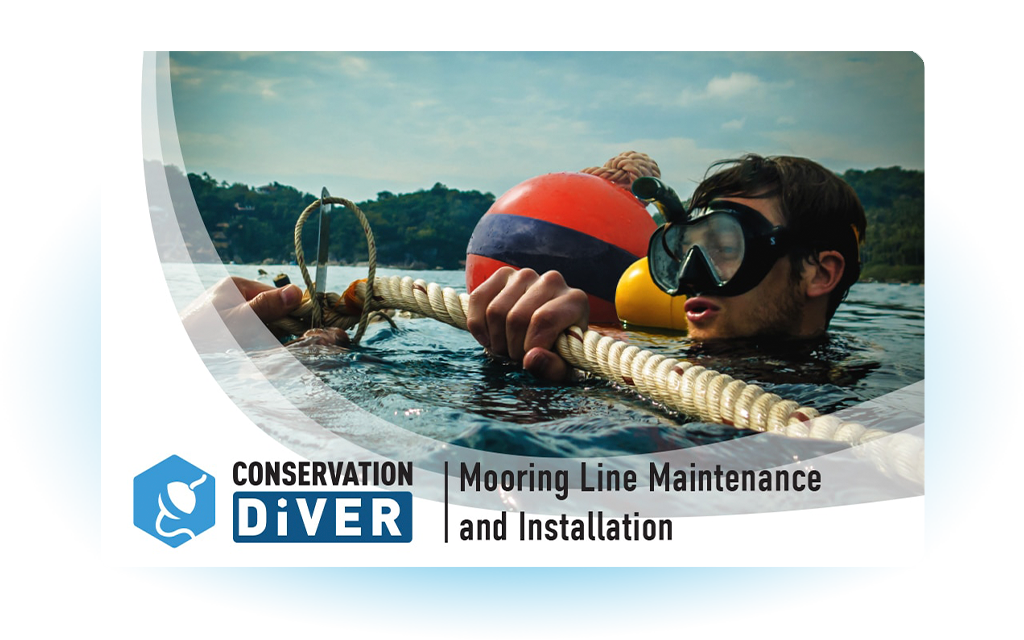
Mooring Line Maintenance & Installations
Marine zoning theory and how to install and maintain mooring lines
Monitoring & Conserving Other Reef Organisms
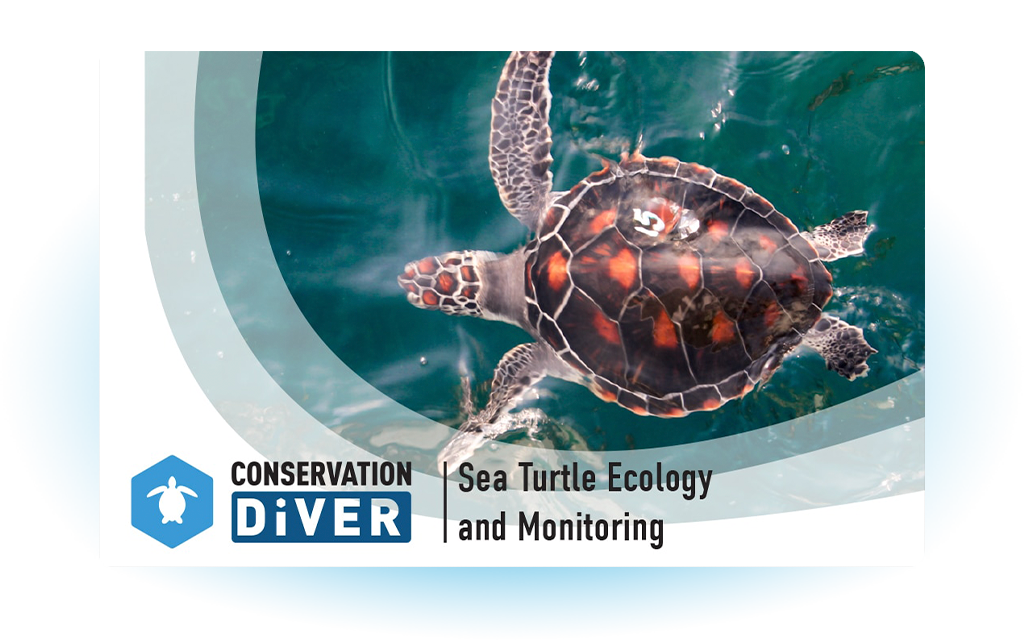
Sea Turtle Ecology & Monitoring Program
Sea turtle ecology, identification, monitoring, and tracking techniques
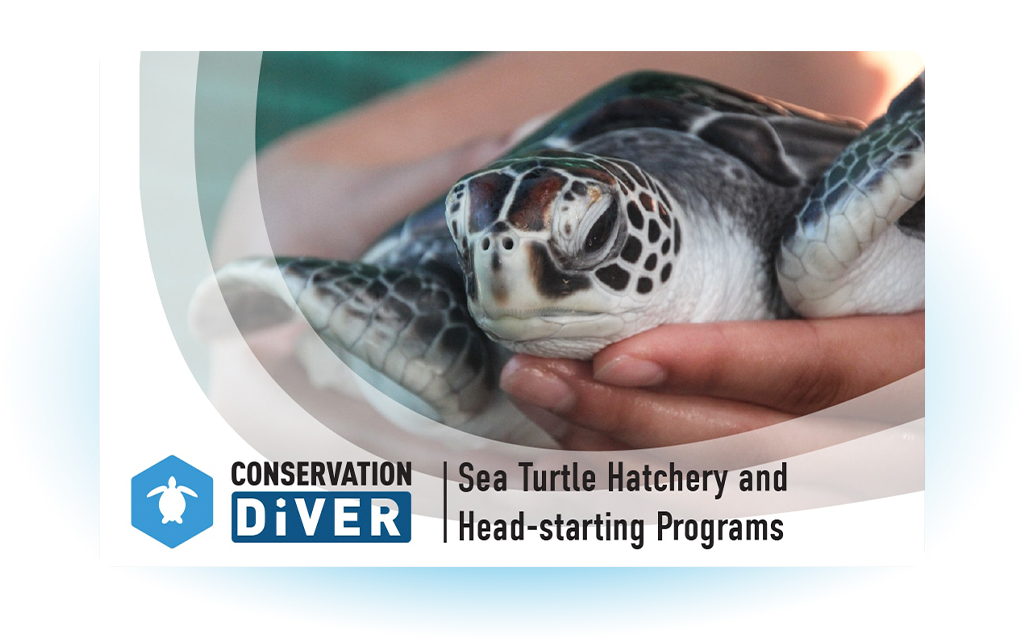
Sea Turtle Hatchery & Head-Starting Programs
Sea Turtle protection, hatcheries, rehabilitation, head-starting, and other conservation techniques
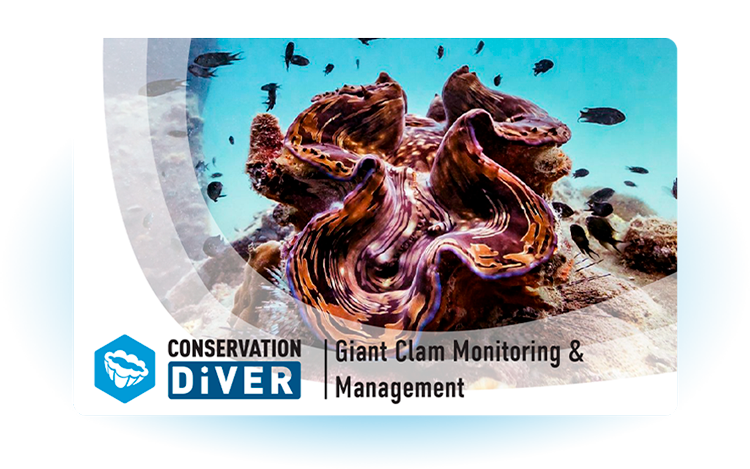
Giant Clam Nurseries & Population Studies
Assessing and restoring populations of giant clams
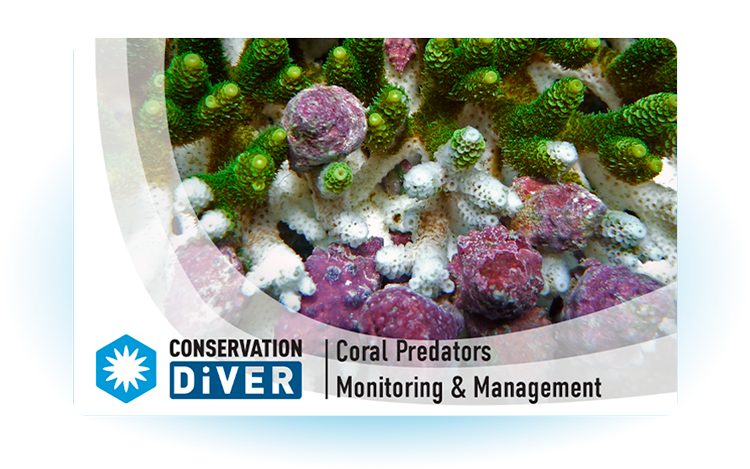
Coral Predators Monitoring & Management
Monitoring and managing populations of coral predators such as Crown of Thorns Sea Stars and Drupella snails.
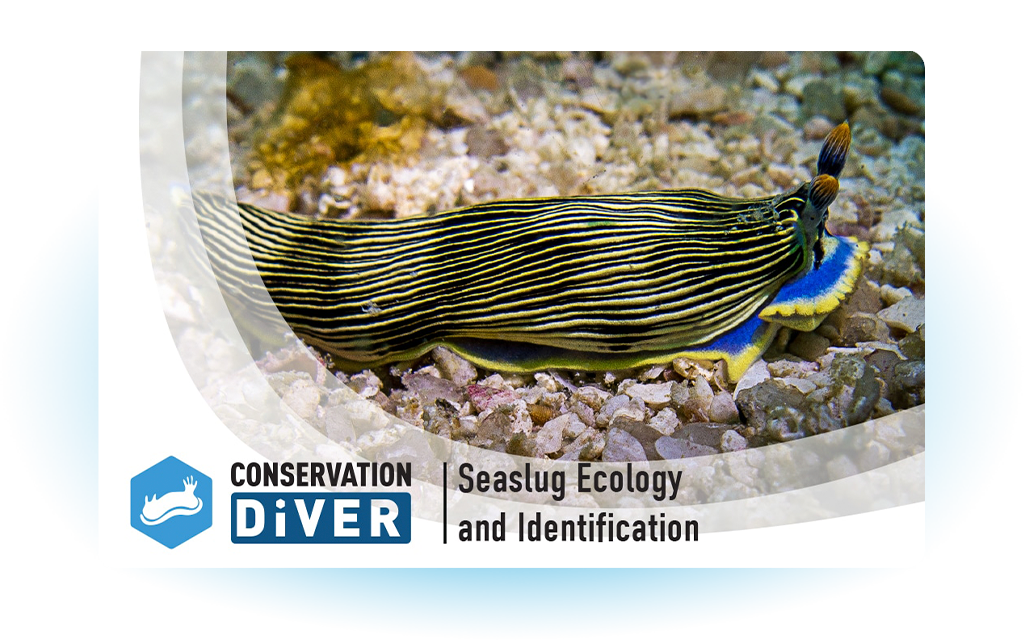
Nudibranch & Sea Slug Ecology
Nudibranch biology and ecology, as well as identification and monitoring
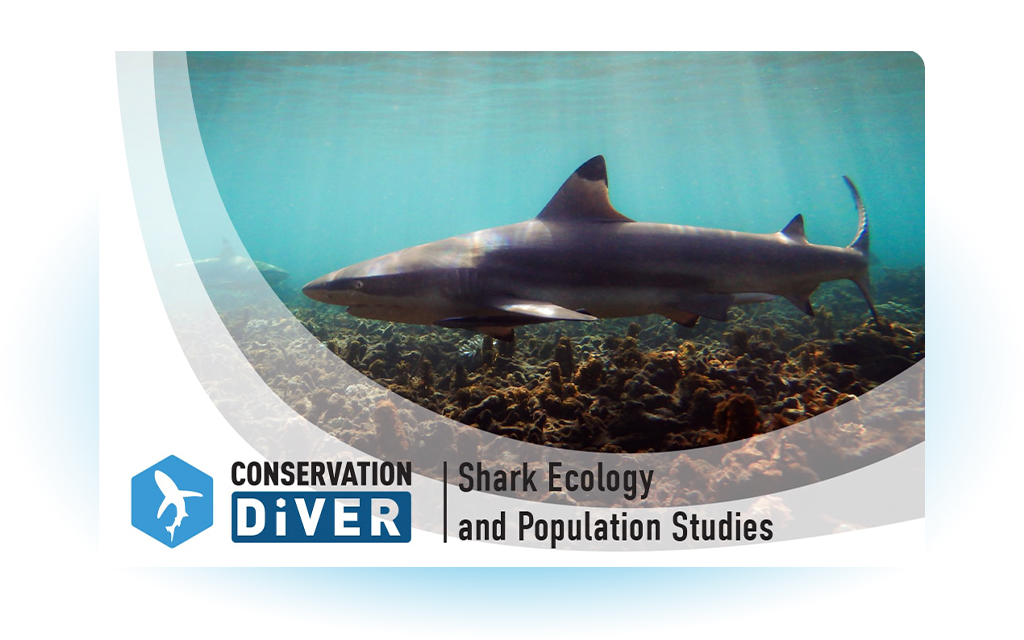
Shark Ecology & Population Studies
Biology, ecology, assessing and monitoring populations of sharks
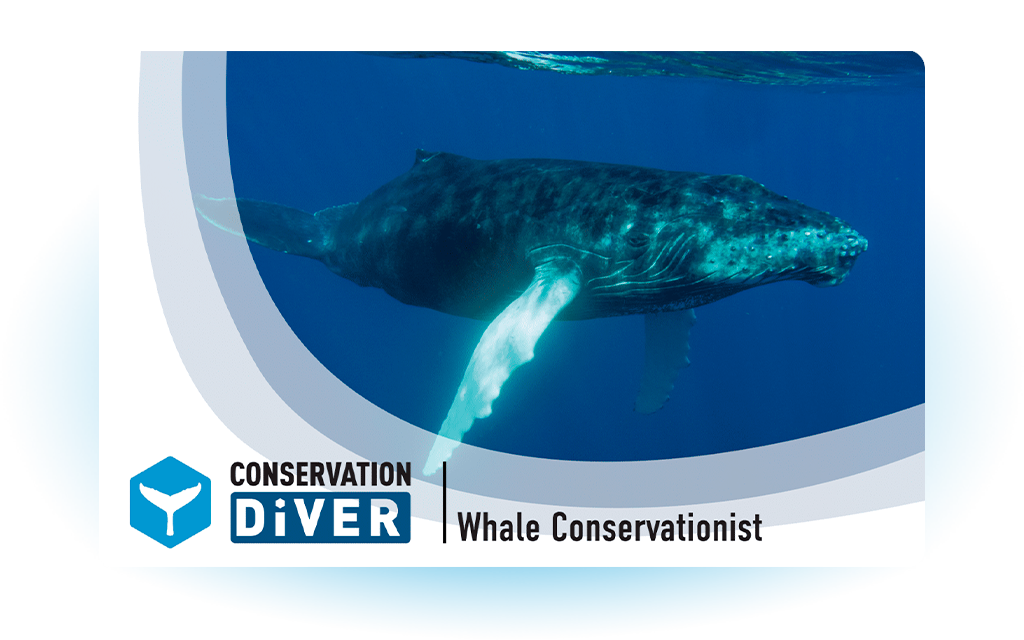
Whale Conservationist
Whales, often overlooked but revered in diverse cultures, serve as crucial unsung heroes in marine ecosystems.
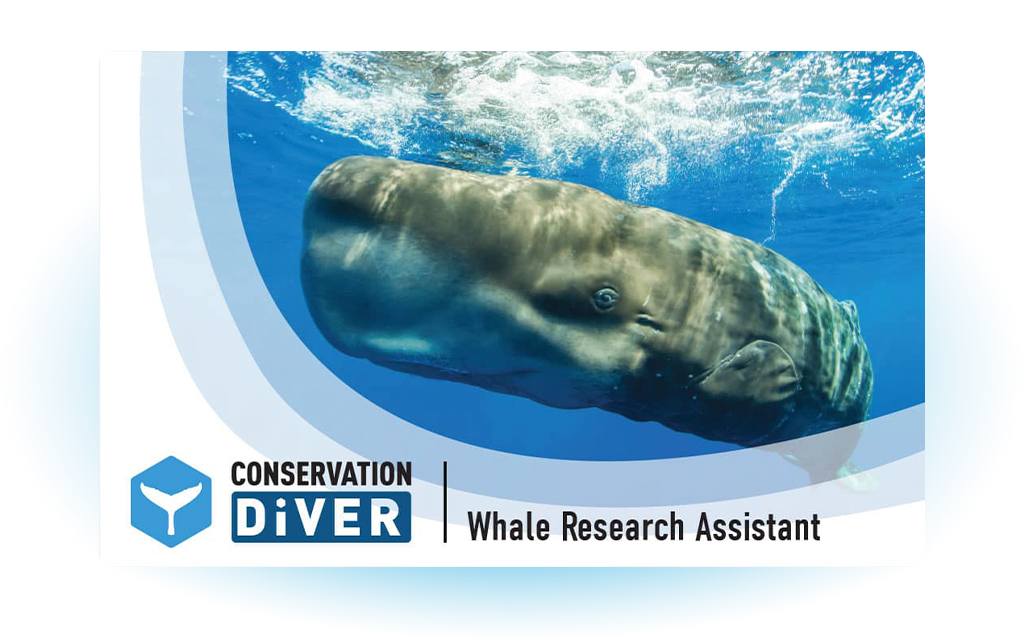
Whale Research Assistant
This course provides essential skills for assisting researchers on observation vessels and conducting field-based scientific research.
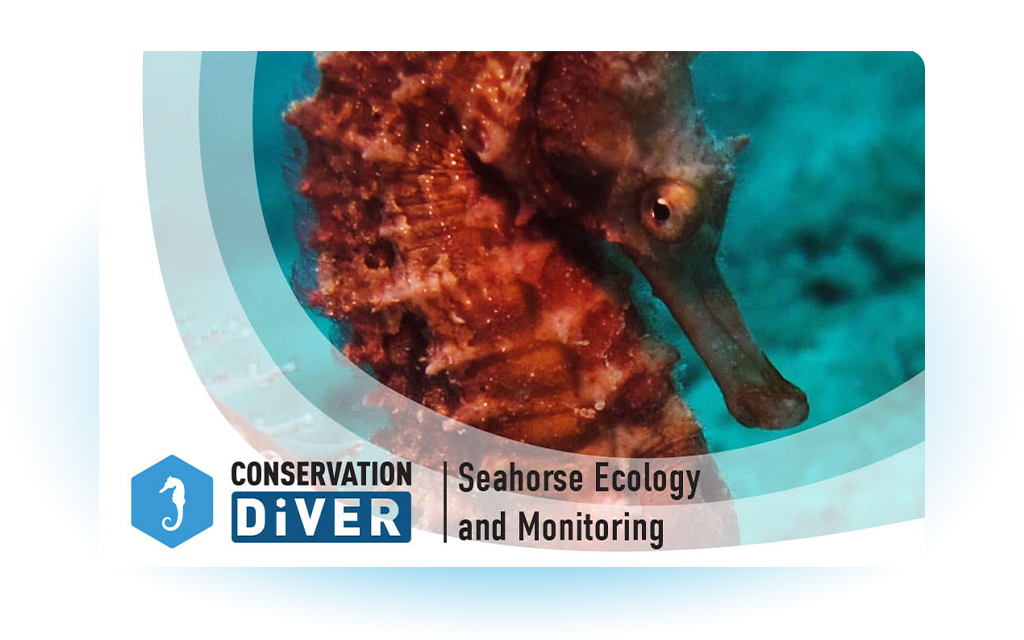
Seahorse Ecology & Monitoring
How to identify and monitoring populations of sea horses, as well as conduct benthic surveys
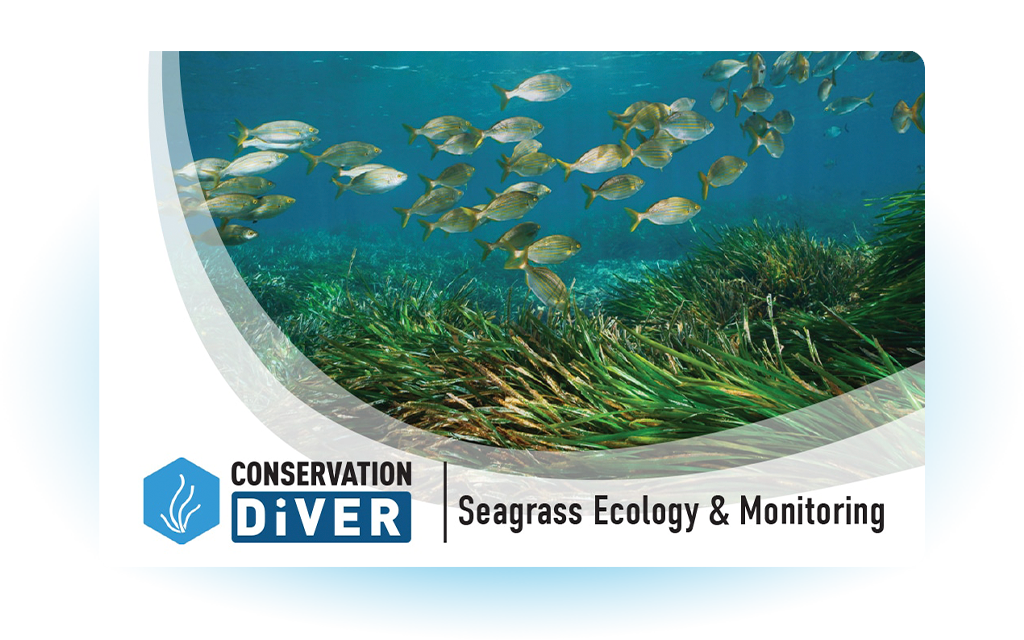
Seagrass Ecology & Monitoring
Seagrass meadows are crucial components of coastal ecosystems.

Plastic Pollution: Monitoring & Assessment
Despite the vast oceans, global plastic pollution is a growing issue, impacting even remote islands.
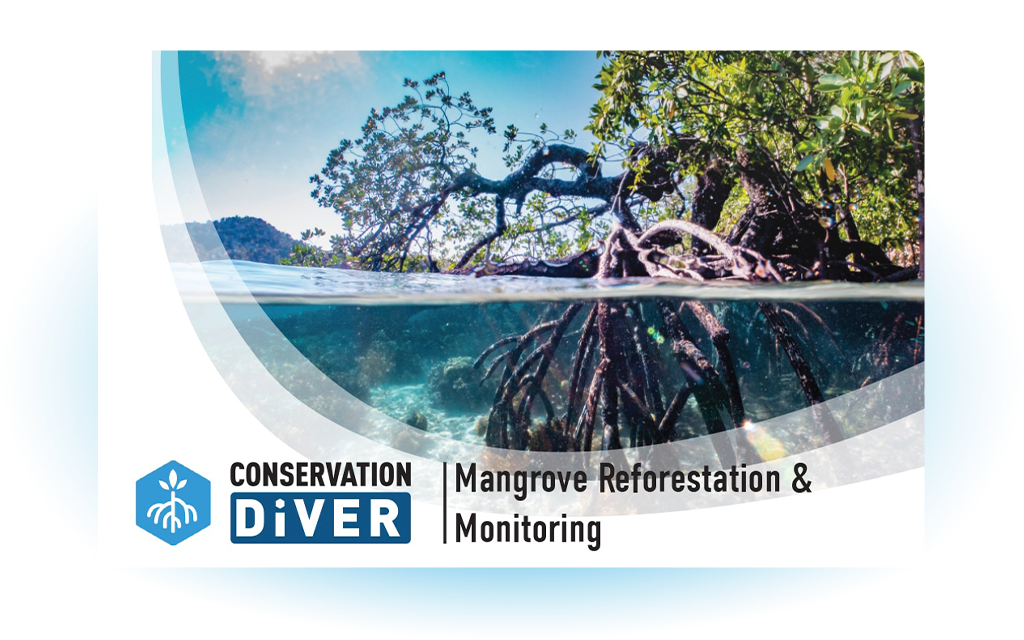
Mangrove Reforestation & Monitoring
The Mangrove Reforestation Course Covers the basics of Mangrove ecosystems, their importance, threats, and ways to mitigate loss and restore biodiversity and productivity of the ecosystems.
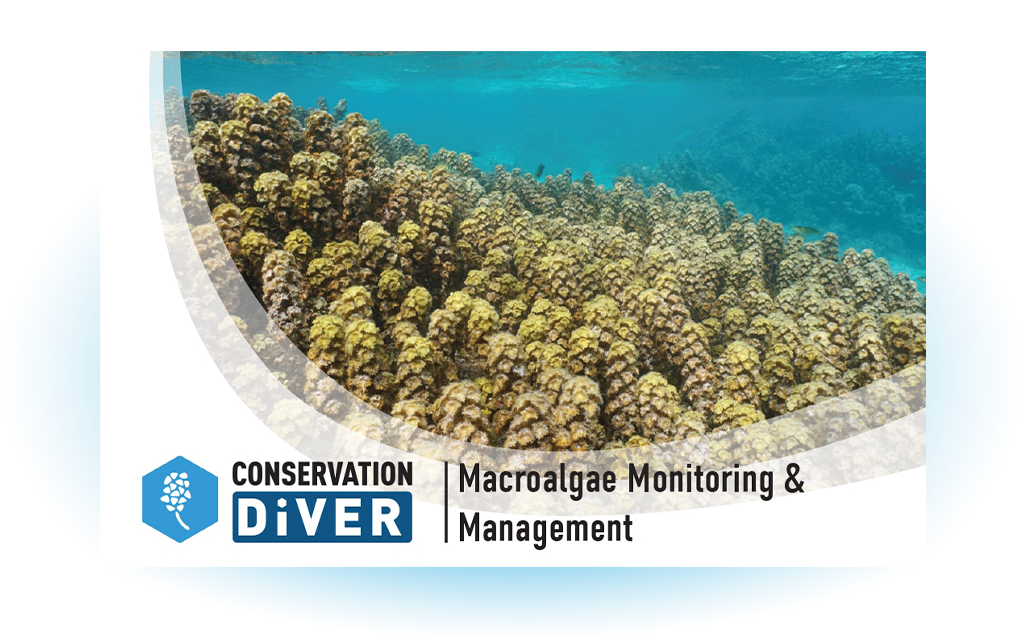
Macro Algae Monitoring & Management
Macro algae are a natural part of our ocean ecosystems, providing a food sources to grazing herbivores and regulating the ocean environment by absorbing carbon dioxide and nitrates whilst releasing oxygen.
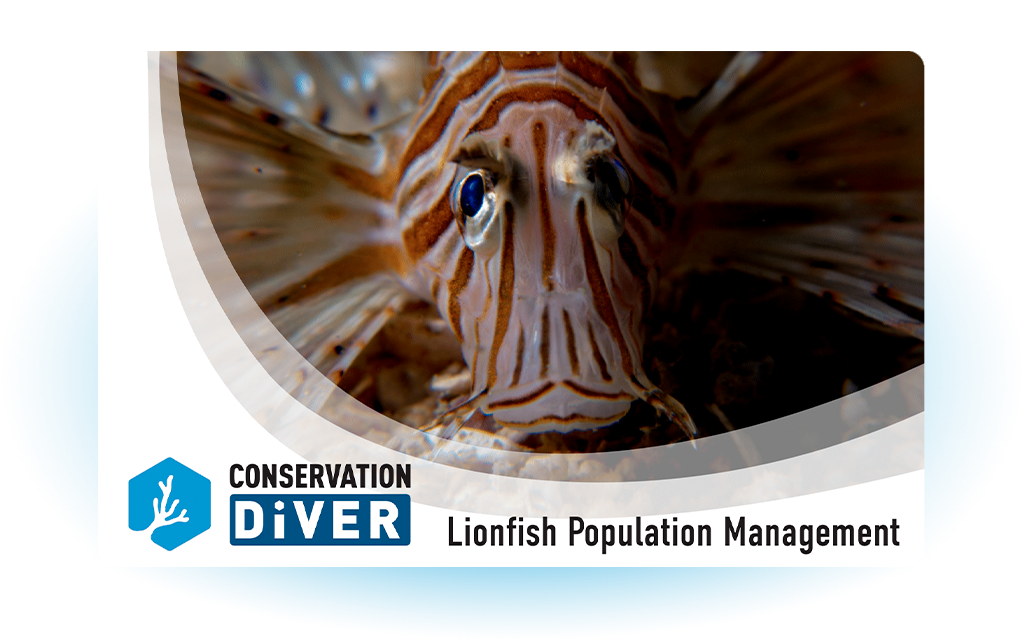
Invasive Lionfish Management
Although endemic to the Indo-Pacific, Lionfish are an extremely damaging invasive species in the Caribbean and Mediterranean.