THAILAND
Black Turtle Conservation
The marine conservation program at Black Turtle Dive was launched in 2022, having evolved from the Eco Koh Tao Reef Ecology & Conservation program which has been running since 2007. Since 2006 Eco Koh Tao has focused on research and restoration, specifically focused on the west side of Koh Tao, creating Junkyard Reef, now one of the most popular training sites for entry level diver training around Koh Tao and an instrumental part of the progression of coral restoration development in Thailand.
Black Turtle Dive works alongside the Department of Marine and Coastal Resources on two restoration projects, Junkyard Reef and Black Turtle Reef both located off the west coast of Koh Tao.
Black Turtle Dive is also one of the few operators in Thailand legally allowed to offer training courses and programs in Coral Restoration in conjunction with the DMCR.

|

|

|

|

|
Discover Black Turtle Conservation Courses
Training Center Offering
Student Level Courses
Core Conservationist (1 Week)
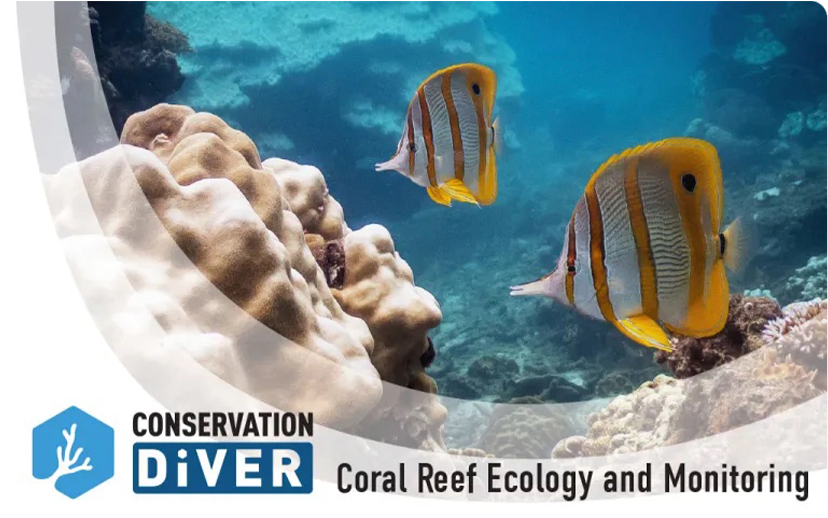
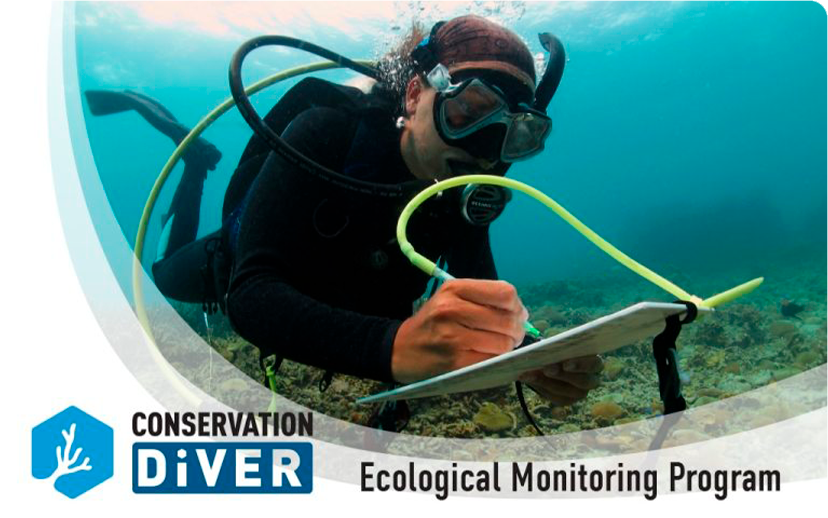
The Core Conservationist is a 1-week introduction to scientific diving and reef ecology, designed for divers who want to understand the reef beyond recreational observation. Through a combination of classroom sessions and practical dives, participants learn how to identify key species, interpret reef health, and collect reliable ecological data.
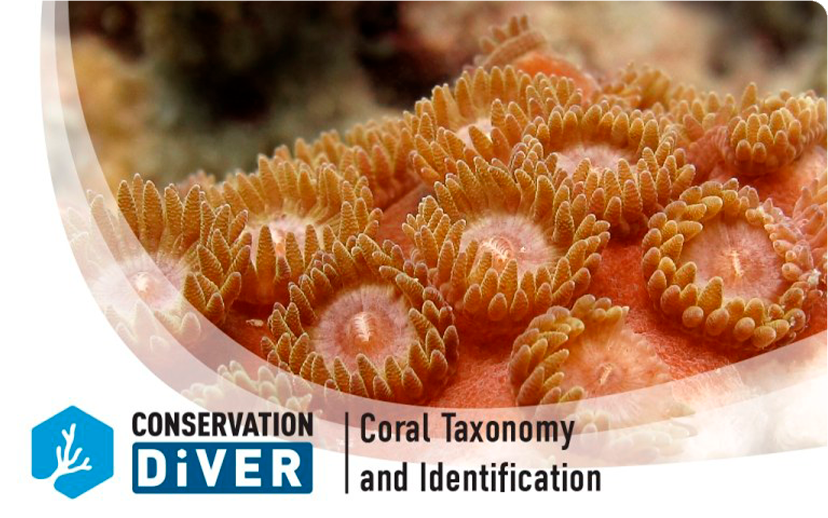
During the program you complete the Conservation Diver certifications Ecological Monitoring Program (EMP) and Coral Taxonomy & Identification I, developing the ability to recognize indicator fish, invertebrates, substrate types, and common coral genera, and to understand what they reveal about ecosystem condition.
By the end of the week, divers move from simply seeing the reef to reading it — gaining the foundations needed to participate in marine conservation and future advanced training.
CONSERVATION SPECIALIST (2 weeks)
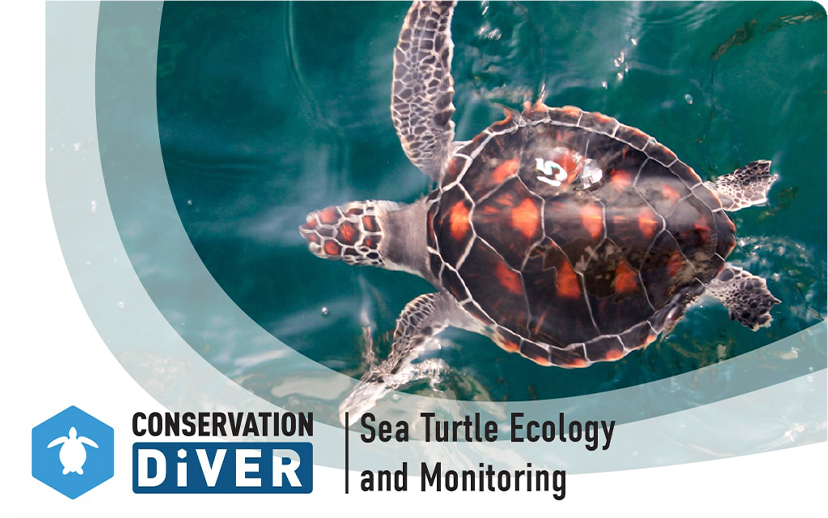
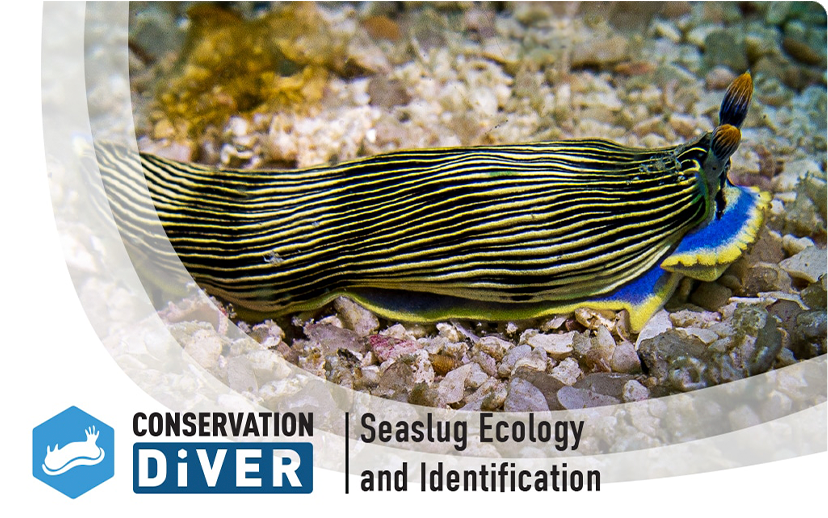
The Conservation Specialist is a 2-week immersive program, designed for divers who want a deeper and more research-focused introduction to marine conservation. Participants complete the Conservation Diver certifications Ecological Monitoring Program (EMP), Coral Taxonomy & Identification, and Sea Turtles Ecology & Monitoring, learning to survey reef communities, identify coral genera, and understand turtle behaviour and population monitoring, while also contributing to our in-house sea slug biodiversity research.
Throughout the program, each student develops an Independent Project with instructor guidance, applying scientific methodology to a topic of interest. By the end of the course, divers are able to interpret reef health confidently and actively participate in conservation initiatives, forming a strong foundation for advanced conservation training.
REEF SPECIALIST (+2 weeks)
Prerequisite: Completion of the Conservation Specialist program. Total of 4 weeks
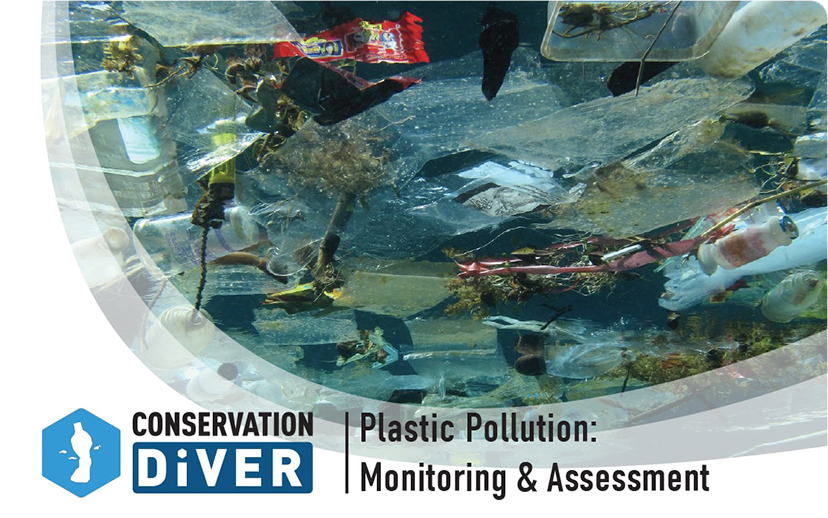
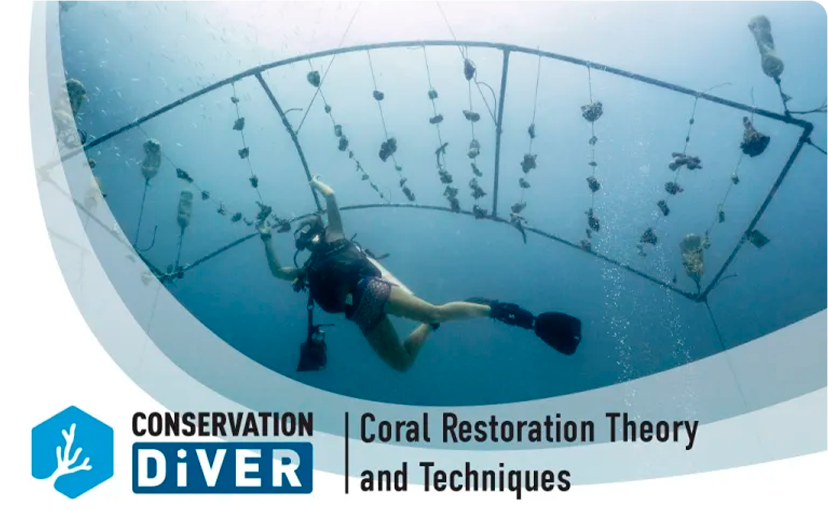
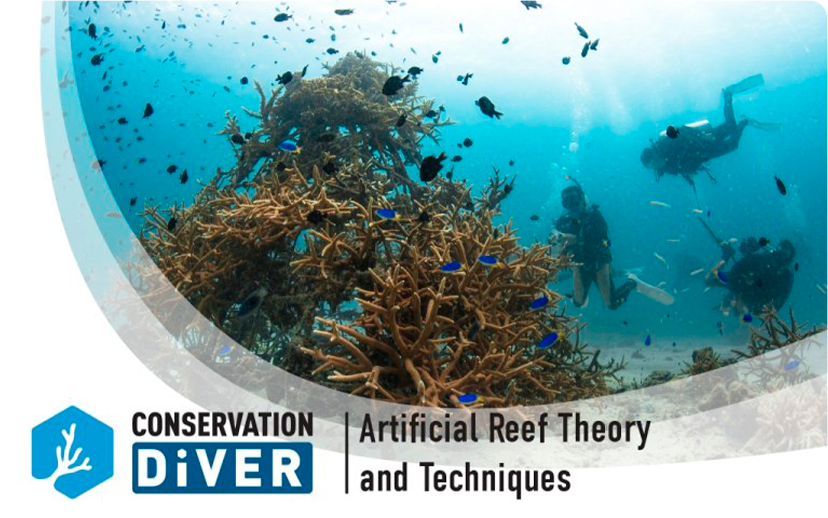
The Reef Specialist is a 2-week advanced continuation designed to move divers from monitoring ecosystems to actively understanding and managing reef recovery processes. Participants complete the Conservation Diver certifications Coral Restoration Theory & Techniques, Artificial Reef Theory & Techniques, and Advanced Coral Taxonomy & Identification, while also taking part in the BTD Marine Pollution module. The focus shifts toward interpreting human impact, evaluating reef condition, and applying restoration strategies based on ecological context.
Students expand their Independent Project and apply their knowledge in practical scenarios — from restoration maintenance and monitoring to designing a conceptual artificial reef structure. By the end of the program, divers are able to critically assess reef degradation and propose evidence-based conservation solutions, preparing them for higher-level research and conservation leadership training.
MASTER CONSERVATIONIST (+2 weeks)
Prerequisite: Completion of the Conservation Specialist and Reef Specialist programs. Total of 6 weeks.
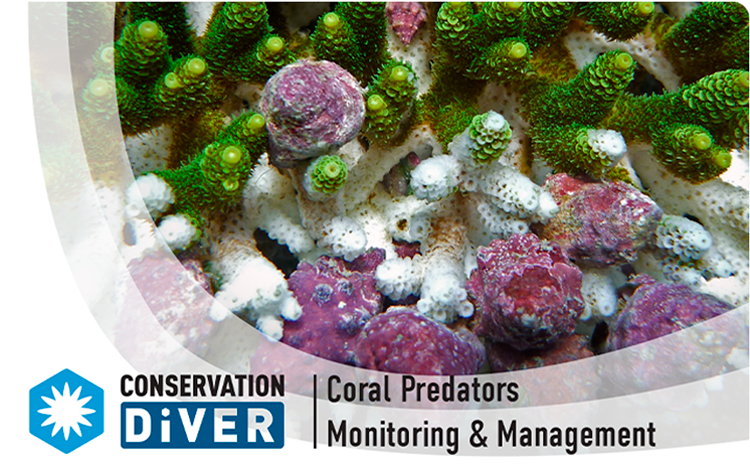
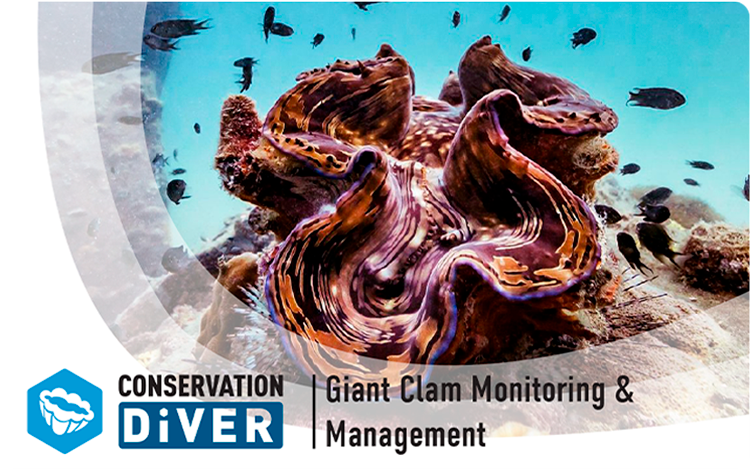
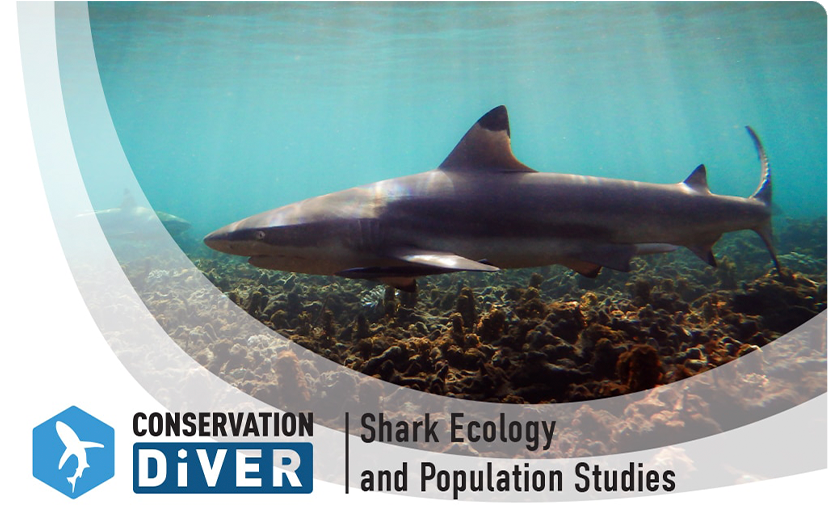
The Master Conservationist is a 2-week advanced stage where training becomes fully research-focused. Building on previous monitoring and restoration skills, participants complete more advanced Conservation Diver modules including Sharks Ecology & Population Studies and Giant Clams Monitoring and Management, while taking part in in-house research topics such as Coral Predators and Cleaning Interactions. The focus shifts toward ecosystem interpretation — understanding species roles, ecological balance, and how different pressures influence reef resilience.
During this stage, students further develop their Independent Project, applying more rigorous methodologies and contributing data to ongoing studies. By the end of the program, divers are expected to analyse reef systems holistically and design informed conservation approaches, preparing them for professional-level scientific training in the Scientific Diver pathway.
SCIENTIFIC DIVER (+2 weeks)
Prerequisite: Completion of the Conservation Specialist, Reef Specialist and Master Conservationist programs. Total of 8 weeks.
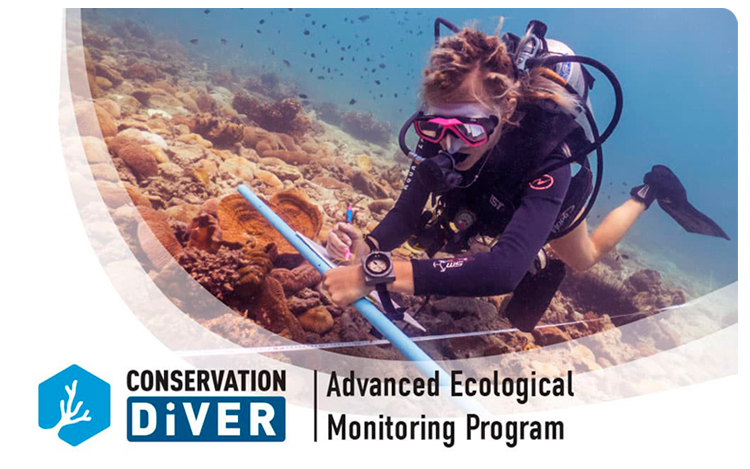
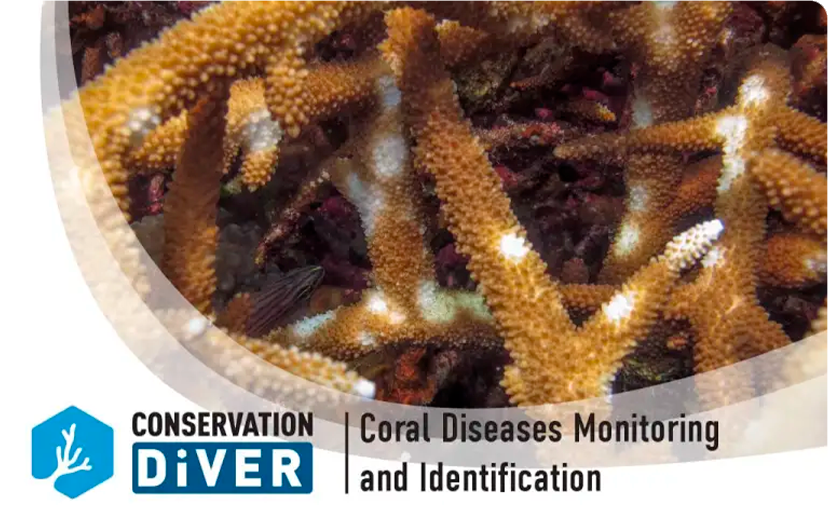
The Scientific Diver is the final 2-week training stage, where conservation training transitions into applied scientific practice. Participants complete advanced Conservation Diver certifications including ImageJ for Marine Research, Coral Diseases & Compromised Health, and Advanced Ecological Monitoring Program (EMP Diver), learning how to collect, analyse and interpret high-quality ecological data using professional methodologies.
This phase is dedicated to finalizing the Independent Project, applying advanced monitoring techniques, quantitative image analysis and disease assessment in real research conditions. By the end of the program, divers operate at a scientific level — capable of producing reliable datasets, interpreting reef health, and preparing for professional research roles such as the Research Assistant pathway.
Professional Level Courses
RESEARCH ASSISTANT (From +2 weeks)
Prerequisites: Completion of the Conservation Specialist, Reef Specialist, Master Conservationist & Scientific Diver programs + Divemaster level
The Research Assistant recognition marks the transition from trained conservation diver to active team member. Rather than a traditional course, it is a professional integration stage where participants apply everything learned throughout the pathway while working alongside instructors in daily conservation operations. It represents the highest achievement within the Conservation Diver training system and prepares candidates for the Conservation Diver Instructor level.
Research Assistants support real projects — assisting and sometimes leading monitoring surveys (sea slugs, turtles, sharks, COTS, restoration and EMP), helping guide students underwater, managing equipment and data, and contributing to beach cleanups and Dive Against Debris activities. With unlimited conservation dives, the focus shifts to autonomy, decision-making and field experience, developing the confidence and responsibility expected from someone moving into a professional conservation role.
CONSERVATION DIVE MASTER (Min. 6 weeks)
The Conservation Dive Master program is designed for divers who want to become professionals without leaving conservation behind. Over a minimum of 6 weeks, you combine the full PADI Divemaster training with structured marine conservation education and real field experience, learning not only how to guide divers — but how to guide them responsibly.
The program begins with the Conservation Specialist training, where you develop ecological understanding through the Ecological Monitoring Program (EMP), Coral Taxonomy & Identification I & II, Sea Turtles Ecology & Monitoring, and the in-house Sea Slugs monitoring project, while taking part in ongoing surveys and starting your Independent Project. You then transition into Divemaster development, assisting courses, supporting conservation activities, and progressively taking a more active role in briefings, supervision, and survey leadership.
By the end of the program, you graduate as a dive professional capable of integrating conservation into everyday dive operations — confident underwater, knowledgeable about reef ecosystems, and prepared to lead divers with purpose rather than just logistics.